
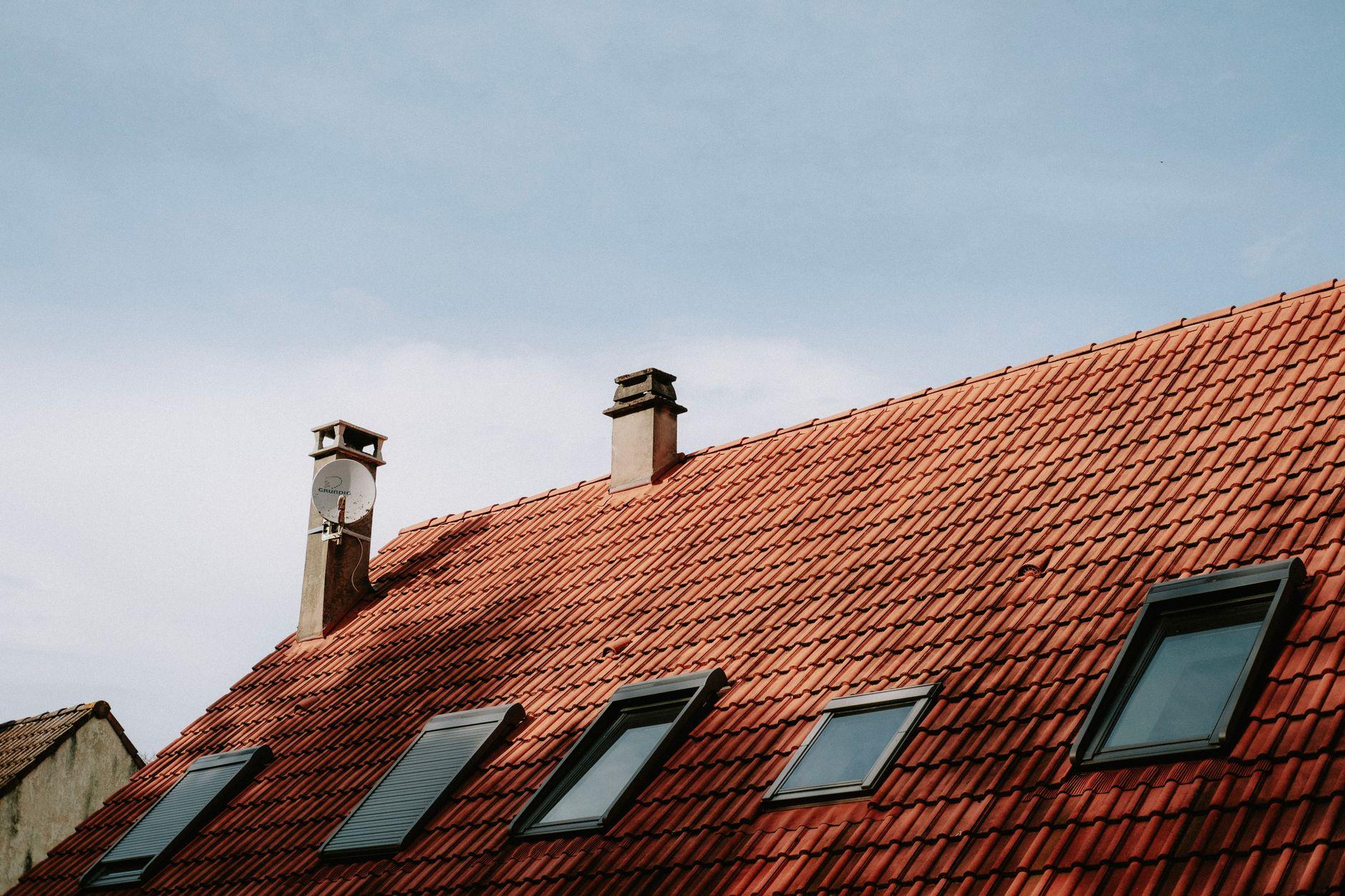
Gas Fireplace Cleaning in Hawaiian Gardens, Down to the Burner Ports
What Is the Chimney Doing?
A line on the trouble is enough, plus whether you think gas fireplace cleaning is the job. We ring back to book a visit.
The Work, in Brief
Gas units collect dust, spider webs and white film on the glass. That changes the flame and can leave soot on the logs. We turn off the gas, lift the logs, clear the burner ports and pilot hood, wipe the glass, and look at the vent cap outside. If the masonry chimney a gas set vents through has open joints or a split crown, you hear about it too.
What Builds Up in a Gas Unit
A gas fireplace leaves no ash, but it is not free of upkeep. Over a season or two, the glass front takes on a white or grey film, dust and lint settle on the burner and get drawn into the ports, and spiders and insects nest in the air openings and the pilot tube. Ceramic logs and embers slowly break down into grit that falls onto the burner tray. All of that shows up in the fire. Clogged ports starve the gas of air, so the flames turn floppy and orange and lay dark smudges across the ceramic and the window, while a cobweb in the pilot hood may keep the unit from lighting at all. Our cleaning visit in Hawaiian Gardens takes the unit apart as far as the maker intends, cleans each part with tools and products suited to it, puts the logs back in the layout the maker shows, and lights the unit to check the flame looks right before we leave the house.
We also look at the parts that are easy to forget. On a direct vent unit, the vent cap on the outside wall or roof is checked for nests, debris and damage, and the seal around the glass is checked, because a sealed unit only works as designed while it stays sealed. On a log set in a masonry fireplace, the chimney still carries the exhaust, so we look at the damper clamp, the flue opening and the cap, and at the firebox masonry around the burner. A log set does not wear firebrick the way wood does, but water from an uncapped flue does, and rust on the burner pan is often the first sign of it. If anything we find needs a part or a repair rather than a cleaning, it is written down with what it needs, and you decide whether we go ahead with it on that visit or later.
Pricing and the Faults a Cleaning Can Turn Up
Gas fireplace cleaning is priced by the unit. A single sealed insert or built-in unit with one glass front, an easy vent and a standard log set is the plain case. Units with several glass panels, see-through models, a vent that needs a ladder on a two story roof, or a log set that has to be rebuilt from loose embers and rock take longer and cost more. We confirm the figure in writing before we start. If you know the make and model, mention it when you book, since it saves time on the visit and lets us read the maker's cleaning notes beforehand. Several units in one building, such as a row of townhomes in Cerritos, are priced per unit, and the property manager page covers how we schedule and report those. A masonry chimney behind a log set can be checked on the same trip with a Level 1 inspection at $55.
Sometimes a cleaning shows that the unit has a fault. The pilot lights but the burner is slow to follow, the flame lifts off the burner, the glass gasket has hardened and cracked, or there is a faint gas smell near the valve. A gas smell on a visit means we shut the gas off at the unit and stop, and the gas fireplace repair page covers what happens next. Most faults are smaller: a dirty sensor, a worn igniter, a broken log. We note them, explain what each one needs, and leave the choice with you. Owners in Long Beach and Westminster with both a gas unit and a wood fireplace in the house can have both looked at in one trip, which saves a second setup. Send the form with the type of unit, where it vents if you know, and whether it has ever been serviced since it was put in.
How Audley Chimney Solutions Works
Wall Read First
Brick and mortar checked before a mix is chosen
Matched Materials
Brick size, color and mortar strength kept in line
Priced per Line
Every repair listed and priced before work begins
Photos at the End
Finished joints and crowns photographed for your file
Local Gas Fireplace Cleaning Pages
Our focus cities each carry a page for this job, with the housing, weather and postal codes our masons work with there.
CA
Gas Fireplace Cleaning in Hawaiian Gardens
Here 74% of homes went up before 1980 and 16% before 1950, so plenty of brick stacks still carry their first bed joints. We rake those out, mix a mortar to suit the old brick and tool every joint concave to shed rain.
Open the city pageCA
Gas Fireplace Cleaning in Cerritos
Dairy pasture gave way to master-planned streets, and 80% of homes stand detached. A brick stack from the early years wants its crown and joints kept tight; on a later house the flue may be metal, boxed in a framed chase, so the cap and chase top wear first.
Open the city pageCA
Gas Fireplace Cleaning in Long Beach
Old brick in Drake Park, Rose Park and Belmont Heights, or up in Bluff Park and California Heights, deserves repairs that read as original. We match brick size, color and mortar tint, and keep hard modern mortar off soft old units.
Open the city pageCA
Gas Fireplace Cleaning in Westminster
With 76% of homes built before 1980, many fireplaces here were laid in brick or concrete block when the tracts went in. Block stacks need their hollow cells and crown kept dry; brick ones want joints repointed in a mortar close to the first mix.
Open the city pageMore Services
Chimney Sweep
Brushes and a rotary head worked through the masonry flue, with tile edges and mortar joints read while the walls are bare.
Read moreChimney Inspection
A Level 1 check of firebox brick, crown, cap and flue openings on a chimney that is already in regular use.
Read moreChimney Repair
Brick, mortar, crown and flue faults fixed with matched materials, each line priced in writing before a trowel comes out.
Read moreFireplace Inspection
Firebrick panels, hearth extension, damper and surround checked for split brick, open joints and heat getting where it should not.
Read moreFireplace Repair
Firebrick, refractory joints, hearths and smoke chambers rebuilt in heat-rated materials so the box can take a fire again.
Read moreChimney Level 2 Inspection
Recorded scan of the full flue plus checks of framing, roof and masonry, as NFPA 211 sets out for sales and after damage.
Read moreChimney Cap Installation
Measured to your tile, built in stainless or copper and fastened down hard enough to ride out a Santa Ana.
Read moreChimney Flashing Repair
Step and counter flashing let into a sawn brick joint and sealed, so rain stops getting in where the stack meets the roof.
Read moreChimney Masonry Repair
Tuckpointing, brick replacement and spall repair, with mortar mixed to match the strength and color of the original joint.
Read moreChimney Rebuilds
When a stack leans or rocks, we lift off the failed brick by hand and rebuild it with matched units, new tile and a freshly cast crown.
Read moreFireplace Cleaning
Ash, soot and loose creosote taken out of the firebox and smoke chamber, with the firebrick brushed so any cracks show.
Read moreGas Fireplace Repair
Pilot, valve, thermopile and igniter faults traced on gas fireplaces and inserts, with each part quoted before it is ordered.
Read moreFireplace Remodel
New brick, stone or tile faces, hearths and mantels laid over checked masonry, with clearances to wood kept.
Read moreFireplace Inserts
Gas and wood inserts set into an existing masonry firebox, with a full-height liner and a sealed surround plate.
Read morePellet Stove Repair
Auger, igniter, blower and control board faults on pellet stoves traced and fixed, with the vent run checked.
Read moreWood Stove Repair
Door gaskets, firebrick, baffles and stove pipe on wood stoves renewed, with the chimney it vents into checked as well.
Read moreGas Logs
Ceramic log sets and burners fitted to a working masonry fireplace, with the gas line and controls placed for easy service.
Read moreChimney Seismic Retrofit
Bracing, roof anchors or a lighter top section for tall brick chimneys built without steel inside.
Read moreChimney Crown Repair
Cracked or flat mortar caps replaced with a cast crown that sheds water off the brick and leaves the flue tile room to move.
Read moreDryer Vent Cleaning
Lint cleared from the dryer duct end to end, the outside hood opened up and airflow measured before and after.
Read moreChimney Liner Installation
Stainless liners fitted inside cracked or unlined masonry flues, sized to the appliance and sealed at the crown.
Read moreChimney Leak Repair
Water traced to its real entry point on the stack and fixed there, instead of being caulked over and left to return.
Read moreChimney Waterproofing
Breathable repellent applied to clean, repointed brick so rain beads off while moisture inside can still escape.
Read moreChimney Damper Repair
Throat dampers freed, reset or replaced, or a top-mount damper fitted at the crown when the old frame has rusted out.
Read moreChimney Chase Cover
A welded stainless or galvanized top for a framed chimney, sloped to shed rain and sealed where the vent pipe leaves.
Read more