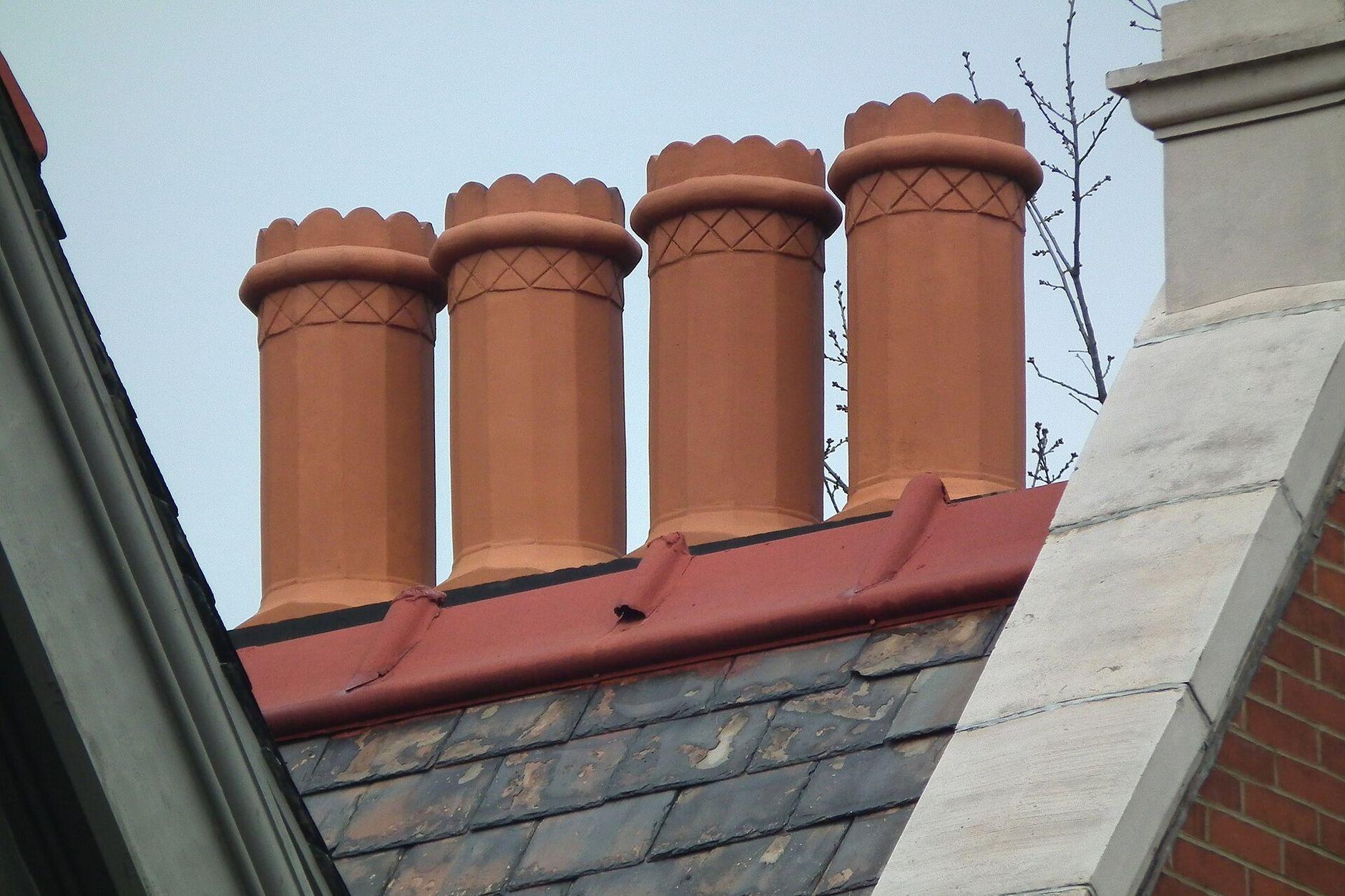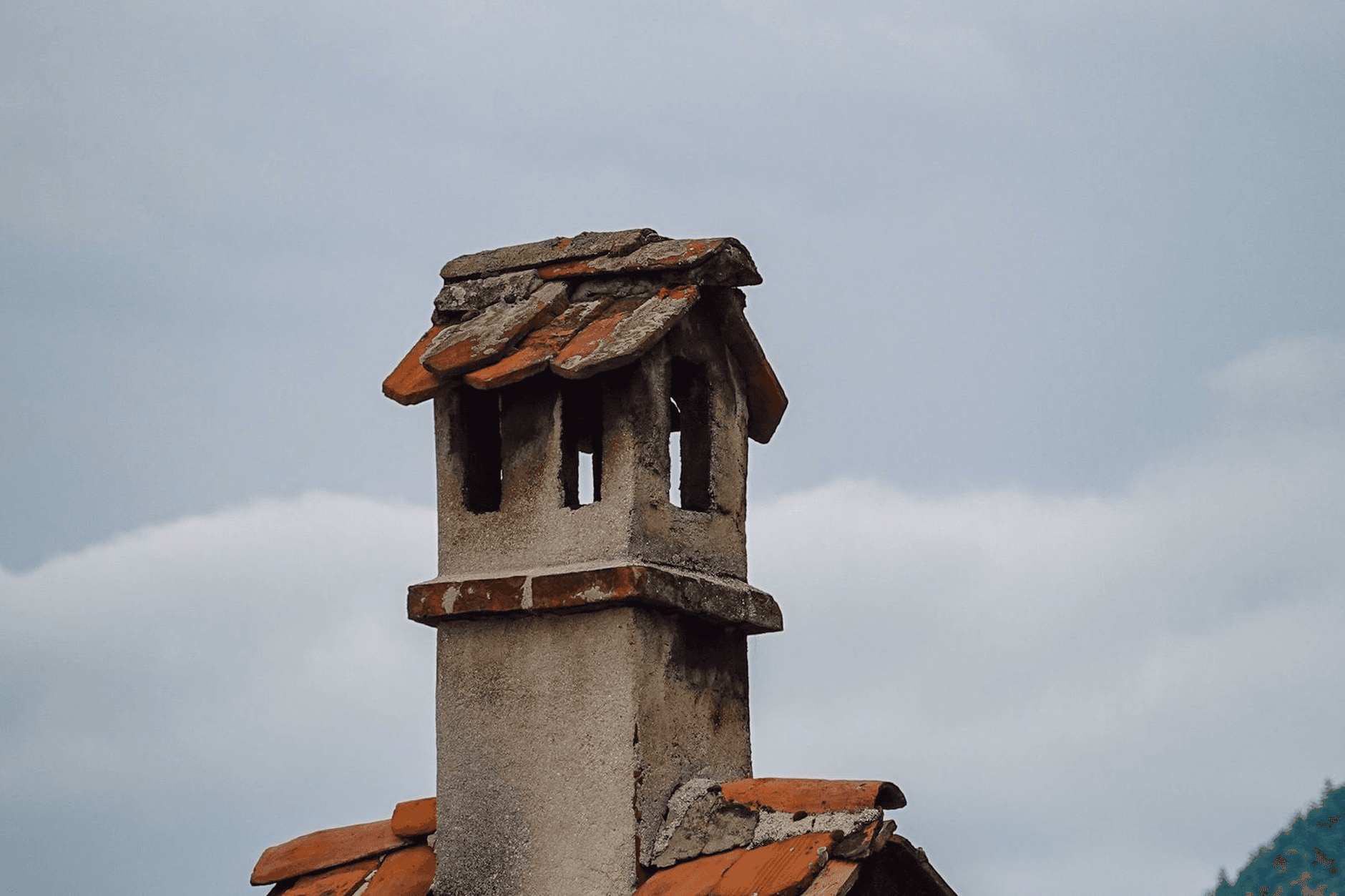

A chimney is a small building made of brick and mortar, sitting on top of a bigger one, and it takes weather that the rest of the house never sees. When it needs work, the trade that fixes it is masonry. Plenty of crews will offer to seal it, coat it or cap it, and a few of those jobs are fine. The ones that last are done by someone who lays brick. If you are choosing who works on a chimney in Hawaiian Gardens, Cerritos or nearby, these are the questions Audley Chimney Solutions would ask if we were on your side of the table.
1. Will you look inside before you price the outside?
Cracks you can see on the crown often have partners you cannot see in the flue. A crew that quotes masonry work without a camera run is pricing half a chimney. Our camera inspection (Level 2) is $395; a look at the parts in plain view (Level 1) is $55. On any stack with visible cracks, loose brick or a past leak, the camera visit is the one we book, because it changes what goes on the quote.
2. What mortar will you use, and why that one?
This is the question that sorts the trade from the rest. A mason should name the mix without hesitating, and the answer should depend on your brick:
- Older soft brick wants a softer, lime-rich mortar so the joint, not the brick, takes the wear
- Most postwar brick takes a standard masonry cement mix
- Hard modern brick can take a stronger blend
If the answer is "the usual" or "whatever is in the bag", the mortar will not suit your brick, and in a few winters the faces of the brick start to come away.
3. How will you match the brick and the joint?
New brick on an old stack should be hard to spot from the street. Ask how they plan to source brick of the same size, colour and face, and what joint profile they will strike to match the courses below: concave, flush, raked or weathered. A photo of finished work on a similar chimney says more than any promise.
4. Where will the teardown stop?
For any rebuild, the quote should explain how the stopping point is chosen. Our rule is plain: we lift courses until the brick underneath is firm and the joints hold when raked, and we tell you before and during the work where that line sits. The quote also says how extra courses are priced if the firm brick turns up lower.
5. What goes on top when you are done?
A rebuilt or repointed stack is only as good as its top. Ask about the crown: is it cast with an overhang so water drops off rather than running down the face? Is there a bond break so the crown can move without cracking the brick? Is the cap included? A fitted cap is quoted after we measure. A single small flue is the simplest job; a wide multi-flue top costs the most. Custom and oversized caps are quoted on site.
6. Who handles the roof where the brick meets it?
Masonry and roofing meet at the flashing. Ask whether the quote covers new step and counter metal, and whether a saddle (cricket) will be built behind a wide stack. On our list, a saddle is $455 to $1,025, and a saddle together with a full set of new metal is $680 to $1,700. A crew that repoints the brick but leaves cracked old metal in the joints has not stopped the leak.
7. What will I have in writing?
You should have, before work starts:
- Each part of the job on its own line, with the mortar mix and brick named
- The teardown depth or rake depth planned
- What is excluded, such as interior plaster or roof tiles beyond the chimney
- Photos of the stack as it stands today
And after the work: photos at the key points, especially the brick the new work sits on.
What decides the price, and how to start
The price of chimney masonry comes down to how much brick moves, how high it sits, and what goes back on top. Nobody can tell the first of those from the ground. That is why our written quote follows the camera visit, and why each line on it ties to something you can see in the photos.
Request a masonry visit and tell us what made you look up at the chimney: a leak, loose brick, cracks after a tremor, or a home purchase. We plan the visit around that reason.
Warning signs in a quote
Some quotes should make you pause:
- A firm price for a rebuild before anyone has been on the roof
- A "sealer" or coating offered as the whole fix for cracked brick
- No mention of mortar type, flashing or the crown
- Pressure to sign on the spot, or a discount that expires tonight
None of these mean the contractor is dishonest. They do mean the quote is for a chimney nobody has studied yet.
Why this matters more here
Brick stacks in this part of Los Angeles County have been shaken more than once. Whittier Narrows rattled them in 1987, the 1994 quake did it again, and many have had patch repairs since, some in mortar far too hard for the brick. A good mason reads those old repairs and plans around them. Our seismic retrofit page covers bracing when a stack is being rebuilt anyway.
For the trade side of our work, see chimney masonry repair, chimney rebuilds and chimney repair. If you are still choosing between a repoint and a rebuild, Tuckpointing or Rebuild? sets the two jobs side by side.
Next step
We work in Hawaiian Gardens, Cerritos, Long Beach and Westminster. Bring these seven questions to us as well; the contact page is where to put them, and the answers come back in writing with the quote.
Want the Wall Read in Person?
Articles only go so far. Audley Chimney Solutions sends masons out of Hawaiian Gardens to test the joints, match the brick and put each repair, with its material and price, on a written quote.