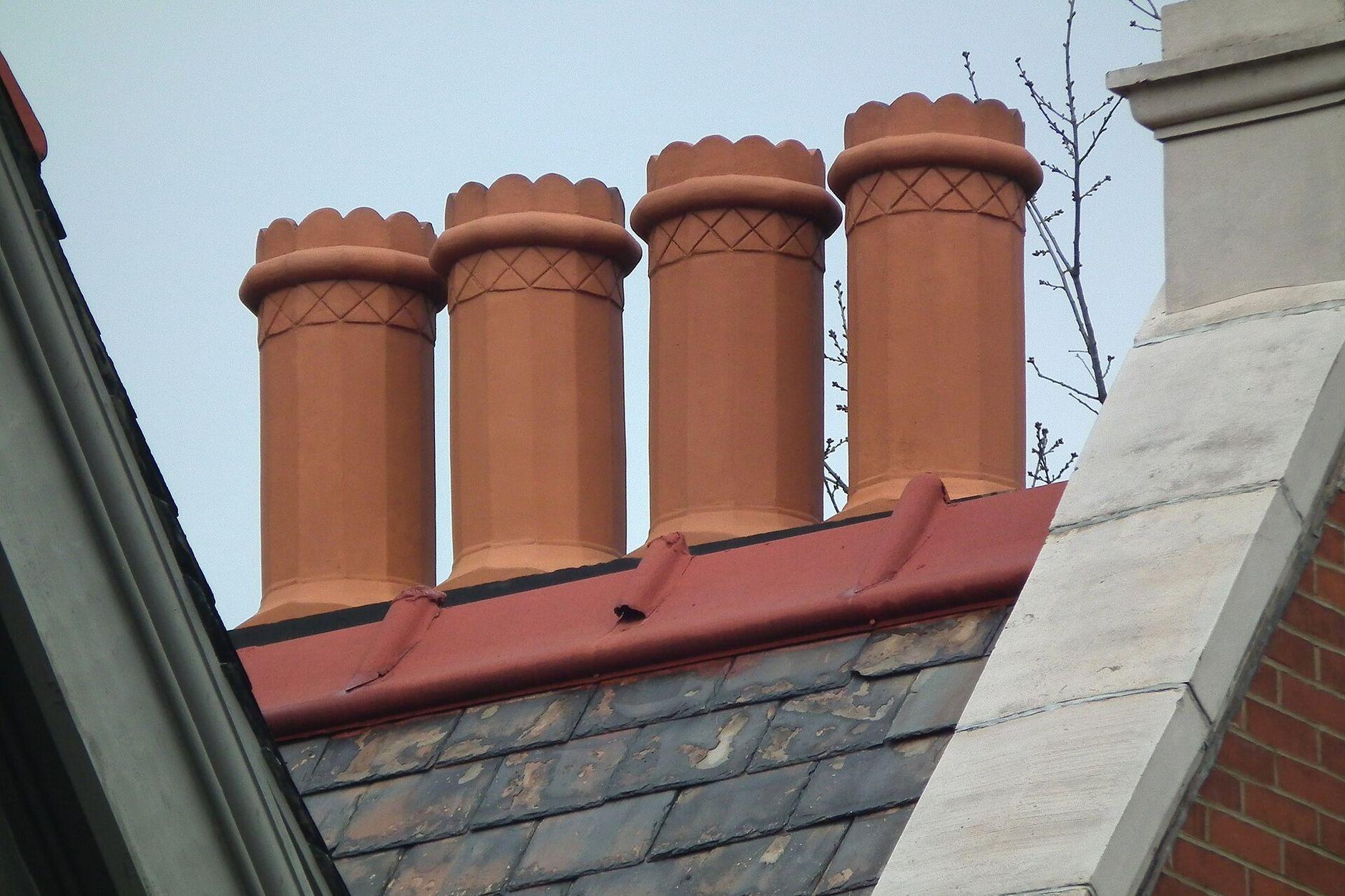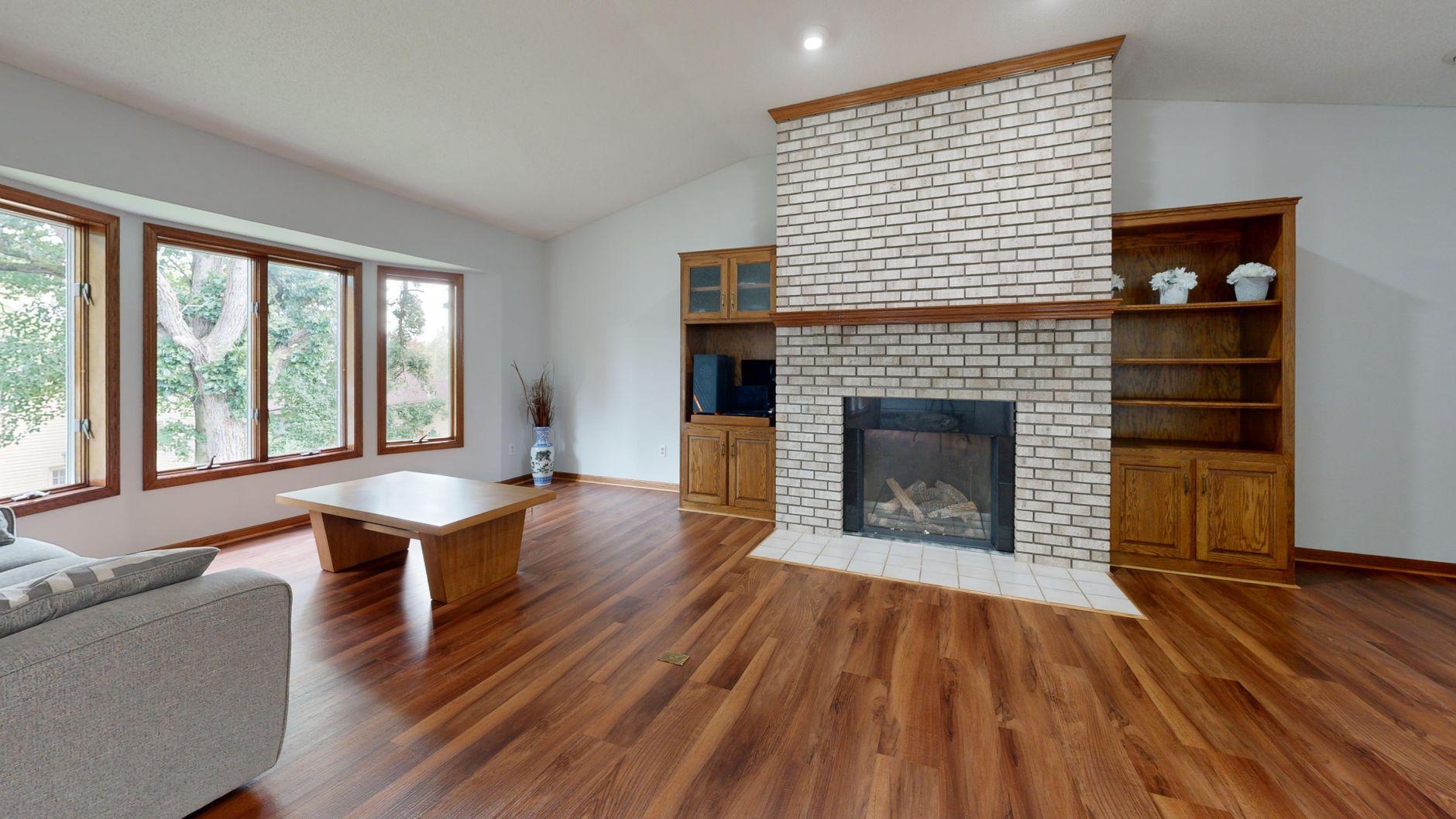

Most brick chimneys in Hawaiian Gardens that look rough from the driveway need one of two jobs. Either the joints have worn back and need fresh mortar pressed in, which masons call tuckpointing or repointing, or the brick itself has lost its grip and the stack has to be relaid. The first is a day or two of joint work. The second is a teardown. Owners often hear both words from different contractors about the same chimney, so here is how Audley Chimney Solutions decides between them, and what each choice means for the quote.
The short version
| Question | Repointing | Rebuild |
|---|---|---|
| What is wrong | Mortar has eroded from the joints | Brick is loose, cracked through or out of plumb |
| What we do | Rake out old mortar, pack new, strike the joint | Lift courses off to firm brick, lay them back up |
| What stays | Every brick | Brick below the teardown line |
| Price basis | Area of joints and depth of rake | Number of courses relaid and what goes back on top |
Neither job has a fixed price on our list. Both are quoted in writing after a camera inspection ($395) or, for a stack with no sign of trouble inside, a Level 1 look ($55).
Signs the joints are the problem
Mortar is meant to be the softer partner. Over decades of winter rain and summer sun it wears back from the brick face, a little at a time, while the brick stays hard. When that is all that has happened, the chimney is a good candidate for repointing. We look for:
- Joints recessed a quarter inch or more behind the brick face
- Mortar that crumbles under a thumbnail but brick that does not
- Sand collecting on the roof or in the gutter below the stack
- Hairline gaps along the joints, with no crack crossing a brick
The fix is a craft job. We rake each joint out to sound mortar, usually two to three times the joint width, mist it, and pack new mortar in layers so it cures without voids. Then we tool the joint to the profile the rest of the house uses: concave, flush, raked or weathered. A repoint that ignores the original profile is obvious from the street for the life of the chimney.
Signs the brick has to come off
A stack needs relaying when the bond between courses has failed. Repointing a chimney in this state is fresh mortar on a structure that is already moving. The signs:
- Bricks you can wiggle or lift by hand near the top
- A lean, even a slight one, against the line of the roof
- Cracks that step through bricks, not around them
- Faces popped off the brick (spalling) across large areas
- A crown broken into pieces that are sitting on loose courses
On houses near Long Beach the marine air adds salt to the mix, and we sometimes see white bloom and soft faces on the weather side of a stack long before the inland side shows wear.
Why the mortar matters more than people expect
The most common damage we see is not old age. It is an earlier repair done with the wrong mortar. Hard cement-rich mortar packed into joints on soft older brick does not give when the brick swells and shrinks, so the brick gives instead and the faces shear off. That is why we match mortar to the brick, not to what is on the truck:
- Lime-rich mixes for older, softer brick, so the joint stays the weaker element
- Standard masonry cement mixes for most postwar brick
- Colour matched sand and pigment so the new joints sit quietly beside the old
We take a sample from a hidden joint before mixing, and the mix goes on the quote by name.
Colour is the part owners notice. Fresh mortar dries lighter than it looks wet, and old joints have darkened with years of dust and rain. We mix a few test batches, let them dry on a scrap brick in the sun, and hold them against the stack before a single joint is filled. The batch that disappears is the one we use.
What decides the price and the next step
For repointing, the figure follows the square footage of joint, how deep the rake goes, and how many sides of the stack are worn. For a rebuild, it follows the number of courses, brick sourcing, the crown, the cap and the roof metal at the base (the full list is in What a Chimney Rebuild Costs).
Sometimes the answer is both: repoint the lower stack where the brick is firm, relay the top six or eight courses where it is not. That split often saves a large part of a full rebuild price, and the quote shows each part on its own line.
Ask for a written masonry quote and tell us which face of the chimney looks worst and whether any brick has already come loose. That tells us whether to plan for joint work or staging for a teardown.
What a contractor should be able to tell you
Whoever you hire, ask them to name the mortar type they will use and why, how deep they will rake, and what joint profile they will strike. A mason who cannot answer those three is selling a smear, not a repoint. Our own approach is on the chimney masonry repair page, and for stacks past saving, the rebuild page.
Where we work
We repoint and rebuild chimneys across Hawaiian Gardens, Cerritos, Long Beach and Westminster.
If you are weighing the two jobs and want a mason to put a hand on the brick, the contact page gets you on the schedule, and the written quote names which job your chimney needs and why.
Want the Wall Read in Person?
Articles only go so far. Audley Chimney Solutions sends masons out of Hawaiian Gardens to test the joints, match the brick and put each repair, with its material and price, on a written quote.